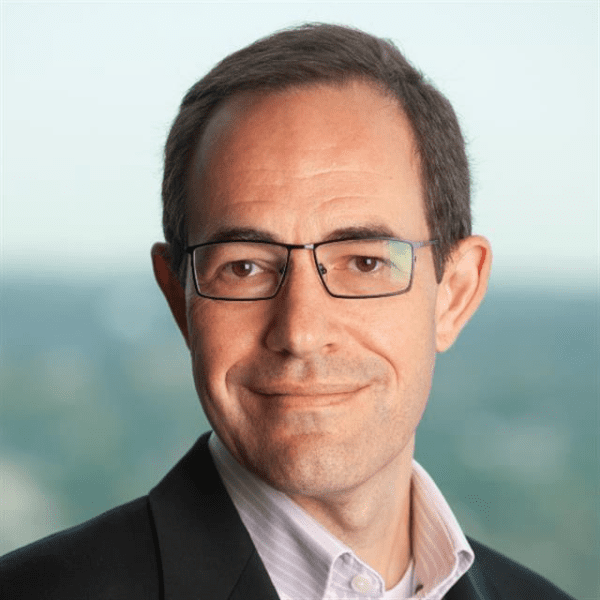
Scott Buchholz
Deloitte Global Quantum Computing Leader, Deloitte Consulting LLP

Quantum isn’t coming — it’s already rewriting the rules.
The Quantum Leap is where leaders step out of observation mode and into command. This is a working session for those shaping what’s next: how exponential computing power can transform industries, how strategy should evolve when intelligence accelerates, and how Chicago is positioning itself at the center of it all. Here, quantum moves out of the lab and into the boardroom — not as theory, but as infrastructure for the next economy.
Built for leaders who compete on foresight, this experience brings together the people aligning capital, policy, and innovation to help create real advantage. You’ll leave with more than insight — you’ll leave with a clearer line of sight into where value is being created, how you can act on it, and what it takes to lead when the curve no longer moves in straight lines.
9 a.m. | Welcome Remarks: Dorri McWhorter, The Executives’ Club of Chicago
9:00 – 9:30 a.m. | Commanding the Curve: Leadership in the Quantum Economy
9:30 – 10:15 a.m. | The Quantum Advantage: From Research to ROI
10:15 a.m. | Break
10:25 – 11:10 a.m. | Chicago’s Quantum Moment: Building the Deep Tech Capital of America
11:10 a.m. – 12 p.m. | Beyond the Binary: Redefining Vision, Value, and Velocity


Quantum is no longer theoretical — it’s tactical. This opening session reframes quantum not as science, but as strategy, exploring how business leaders can navigate an era defined by exponential computing power, reimagined security, and accelerated innovation.
Deloitte Global Quantum Computing Leader, Deloitte Consulting LLP
A cross-sector dialogue exploring how quantum moves from discovery to deployment — and how leaders can convert innovation into economic impact. This session examines where the early commercial traction is emerging, what signals executives should watch, and how to measure meaningful return in an evolving landscape.
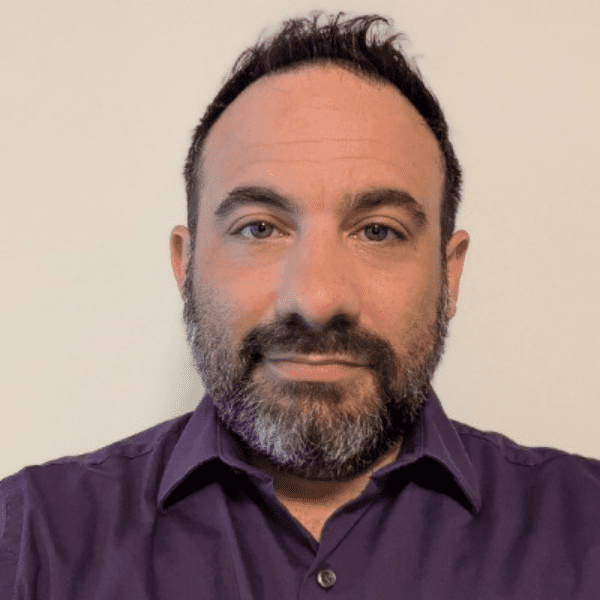
Global Lead for Go-To-Market Strategies & Consulting Partnerships, IBM Quantum
Scott Buchholz
Deloitte Global Quantum Computing Leader, Deloitte Consulting LLP
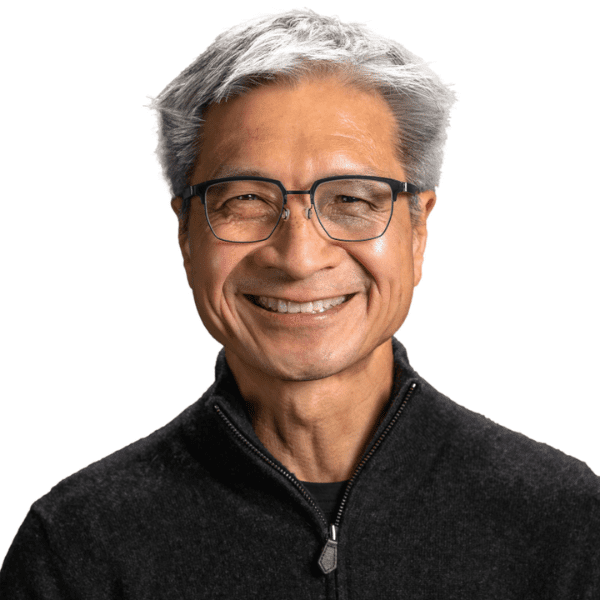
Interim CEO, PsiQuantum
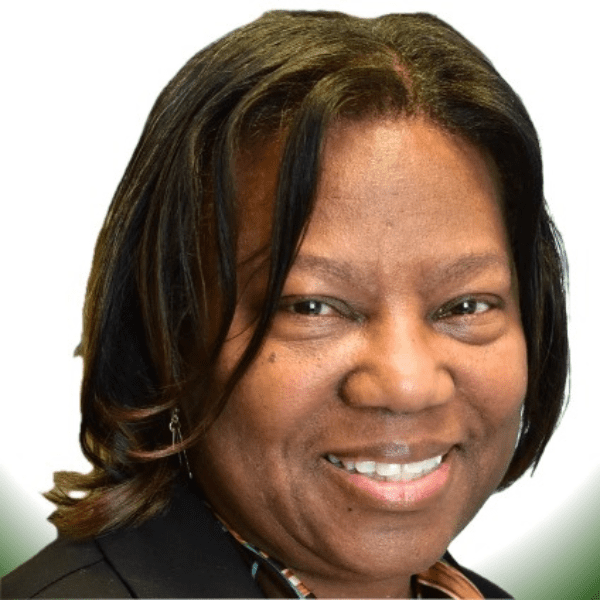
Director, Chicago State University Quantum Education, Science & Technology Center (CQuEST)
A discussion focused on civic-scale collaboration — exploring how business, academia, and government are aligning to make Chicago the epicenter of America’s quantum economy. This session highlights the Illinois Quantum & Microelectronics Park, the Bloch Quantum Tech Hub, and the region’s vision for inclusive innovation and job creation.
Dean, The Grainger College of Engineering, University of Illinois Urbana-Champaign
CEO, Illinois Quantum and Microelectronics Park
President & CEO, P33
President, Chicago Region, Savills
A conversation on what quantum means for leadership itself — how decision-making, governance, and foresight should evolve as technology, talent, and transformation converge. Designed as an intimate, future-forward dialogue, this session brings together visionary thinkers to explore what it takes to lead in an age of acceleration.
Global Lead for Go-To-Market Strategies & Consulting Partnerships, IBM Quantum
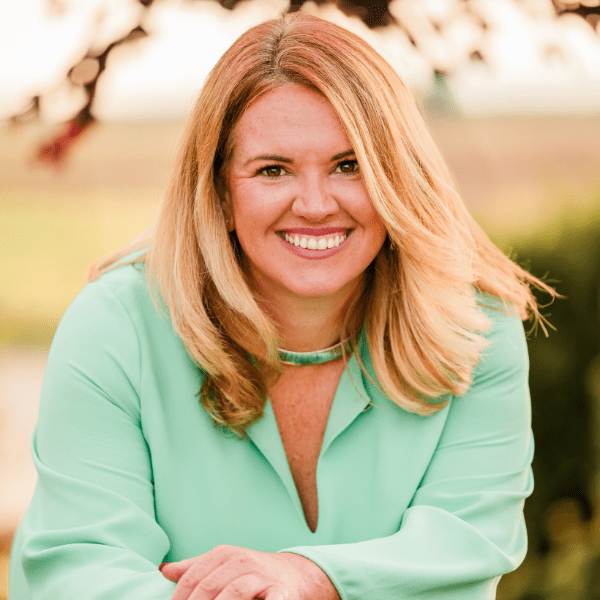
Quantum Computing Lead, Deloitte Consulting LLP