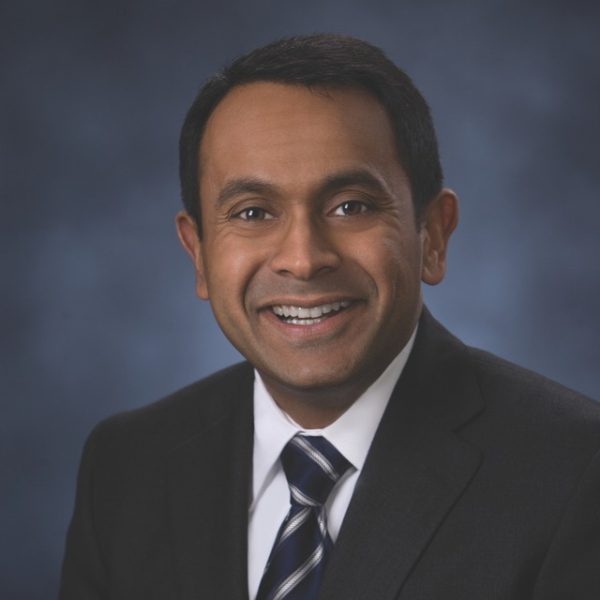
Ravin Jesuthasan
Global Workforce Leader, Marsh Workforce and Rewards, and Executive Fellow and Faculty, Kellogg School of Management, Northwestern University

Work may be changing faster than ever. People are still people.
Behind every transformation, new technology, organizational strategy, and performance target are human beings navigating pressure, relationships, uncertainty, ambition, identity, and change.
This summit brings together business leaders, people leaders, and workplace experts to explore the human dynamics shaping how work actually feels — and how organizations perform because of them.
Through research, candid conversation, and practical application, the Summit will examine three of the most consequential forces affecting people at work today: how leaders behave under pressure, how succession planning is evolving, and the growing pressure placed on the managers responsible for turning strategy into everyday experience.
This is not a conversation about perks or policies. It is about the daily behaviors, relationships, and choices that determine whether people — and businesses — can thrive.
For Season Sponsors of the Executives’ Club, this program is not eligible for ticket bank redemption.
The Executives’ Club of Chicago partners with members of the media to share stories of leadership and impact. For interviews or event coverage opportunities, please contact our Head of Brand & Communications Katy Broom.
For more information and sponsorship opportunities, please contact our Chief Engagement Officer Molly Silverman.
A brief framing of the forces changing work — and why understanding human behavior may be one of the most important business capabilities of 2027.
Global Workforce Leader, Marsh Workforce and Rewards, and Executive Fellow and Faculty, Kellogg School of Management, Northwestern University
Pressure does not simply test leadership. It changes it. The qualities that make leaders successful can become liabilities when stress rises and uncertainty grows — confidence becomes arrogance, diligence becomes control, and independence becomes isolation.
Drawing on Hogan’s research into personality, leadership, and derailment, this session explores how pressure influences behavior, decision-making, and relationships, and how greater self-awareness can help leaders recognize potential derailers, navigate uncertainty, build trust, and lead their teams more effectively.
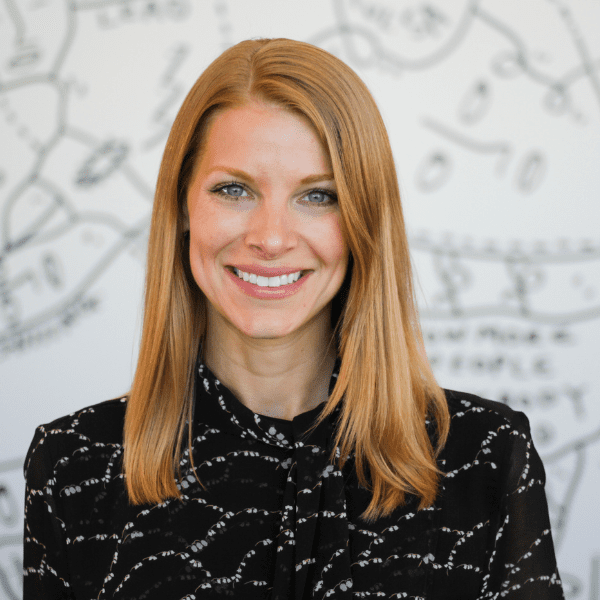
Senior Director of Business Development & Talent Solutions, Hogan Assessments
Managers are being asked to do more than ever — deliver results, motivate teams, navigate change, coach employees, manage conflict, adopt new technologies, develop talent, and build strong workplace cultures, often while managing their own uncertainty and increasing demands.As expectations continue to grow, supporting managers is no longer simply an HR priority, but a business imperative. This conversation explores the realities of managing people in 2027, what employees need most from their leaders, and how organizations must rethink expectations, resources, and support to help managers — and the teams they lead — thrive.
As experienced executives stay in their roles longer and AI reshapes entry-level work, organizations face a growing challenge: building the next generation of leaders. Traditional career pathways are changing, advancement opportunities are becoming less predictable, and the experiences that once prepared future leaders may no longer be readily available.This conversation explores how organizations can rethink succession planning, balance leadership continuity with opportunities for advancement, and ensure emerging talent develops the experience, judgment, and capabilities needed to lead what’s next.